Understanding the Pi Puppids
The Pi Puppids are a relatively new discovery, first identified by astronomers in the early 2000s. These meteors are thought to originate from the asteroid 2000 DP107, which was discovered in 2000. As the asteroid's orbit brings it close to Earth, it sheds tiny fragments that eventually become the Pi Puppids. The meteor shower is named after the constellations Puppis and Vela, which are located near the radiant point of the meteors. The Pi Puppids are active from July 23 to August 27, with the peak activity occurring on July 27.History of the Pi Puppids
The discovery of the Pi Puppids marked a significant milestone in the field of astronomy. Prior to this, astronomers believed that the meteor showers were caused by the Earth passing through the debris trails of comets. However, the Pi Puppids were found to be a result of an asteroid's activity, challenging the previous understanding of meteor showers. The discovery of the Pi Puppids also highlighted the importance of asteroidal activity in shaping the Earth's atmosphere. Today, astronomers continue to study the Pi Puppids to better understand the complex interactions between asteroids, comets, and the Earth's atmosphere.Observation Tips for the Pi Puppids
Witnessing the Pi Puppids requires a combination of good weather conditions and a clear understanding of the meteor shower's activity. Here are some tips to help you make the most of this celestial event: * **Date and Time**: The Pi Puppids are active from July 23 to August 27, with the peak activity occurring on July 27. Try to observe the meteor shower during the peak hours, which typically occur between 10 pm and 4 am local time. * **Location**: Find a location with minimal light pollution and a clear view of the southern sky. The best vantage points are usually away from cities and urban areas. * **Weather Conditions**: Check the weather forecast before heading out to observe the meteor shower. Clear skies and low humidity are ideal for viewing the Pi Puppids. * **Camera Equipment**: Bring a camera or smartphone to capture images of the meteor shower. Use a tripod to stabilize the camera and a wide-angle lens to capture the entire sky.What Makes the Pi Puppids Unique?
The Pi Puppids are a unique meteor shower due to their asteroidal origin and the relatively short duration of their activity. Here are some factors that make the Pi Puppids stand out: * **Asteroidal Origin**: The Pi Puppids are one of the few meteor showers known to originate from an asteroid. This makes them an interesting subject for study and observation. * **Short Duration**: The Pi Puppids are active for a relatively short period, making them a challenging meteor shower to observe. However, this also makes them a rare and exciting event. * **High Radiant Rate**: The Pi Puppids have a high radiant rate, meaning that they produce a large number of meteors per hour. This makes them a spectacular sight for observers.Witnessing the Pi Puppids: Tips and Tricks
Witnessing the Pi Puppids requires a combination of preparation and patience. Here are some tips and tricks to help you make the most of this celestial event: * **Dress Comfortably**: Wear comfortable clothing and bring a blanket or chair to sit on while observing the meteor shower. * **Bring Snacks and Water**: Keep yourself hydrated and energized with snacks and water. This will help you stay focused and enjoy the experience. * **Use Red Light**: Use red light instead of white light to preserve your night vision. White light can disrupt your ability to see the meteors, making it harder to spot them. * **Be Patient**: Be patient and give your eyes time to adjust to the dark. It may take up to 20 minutes for your eyes to fully adapt.The Science Behind the Pi Puppids
The Pi Puppids are a fascinating subject for scientists and astronomers. Here are some interesting facts about the science behind the Pi Puppids: * **Asteroidal Activity**: The Pi Puppids are a result of the asteroid 2000 DP107's activity. The asteroid sheds tiny fragments that eventually become the meteors we see. * **Cometary Activity**: The Pi Puppids are not the only meteor shower caused by asteroidal activity. Other meteor showers, such as the Geminid meteor shower, are also thought to originate from asteroids. * **Atmospheric Interactions**: The Pi Puppids interact with the Earth's atmosphere in complex ways. The meteors produce shock waves that can affect the atmosphere, creating a range of effects from meteorites to meteoroid showers.Conclusion
The Pi Puppids are a unique and spectacular meteor shower that offers a glimpse into the complex interactions between asteroids, comets, and the Earth's atmosphere. By understanding the history, observation tips, and science behind the Pi Puppids, we can better appreciate the beauty and wonder of this celestial event. Whether you're an experienced astronomer or a curious stargazer, the Pi Puppids are an event not to be missed.FAQ
Q: When is the best time to observe the Pi Puppids?
The Pi Puppids are active from July 23 to August 27, with the peak activity occurring on July 27. Try to observe the meteor shower during the peak hours, which typically occur between 10 pm and 4 am local time.
Q: What is the best location to observe the Pi Puppids?
Find a location with minimal light pollution and a clear view of the southern sky. The best vantage points are usually away from cities and urban areas.
Q: Can I capture images of the Pi Puppids?
Yes, bring a camera or smartphone to capture images of the meteor shower. Use a tripod to stabilize the camera and a wide-angle lens to capture the entire sky.
Q: Are the Pi Puppids safe to observe?
The Pi Puppids are safe to observe, but it's essential to follow basic safety precautions. Avoid looking directly at the sun or bright lights, and be careful not to trip or fall while observing the meteor shower.
Q: Can I see the Pi Puppids anywhere in the world?
The Pi Puppids are visible from anywhere in the world, but the best views are typically from locations with minimal light pollution and clear skies. Check the weather forecast and try to observe the meteor shower during the peak hours.

Pi Puppids Wikipedia
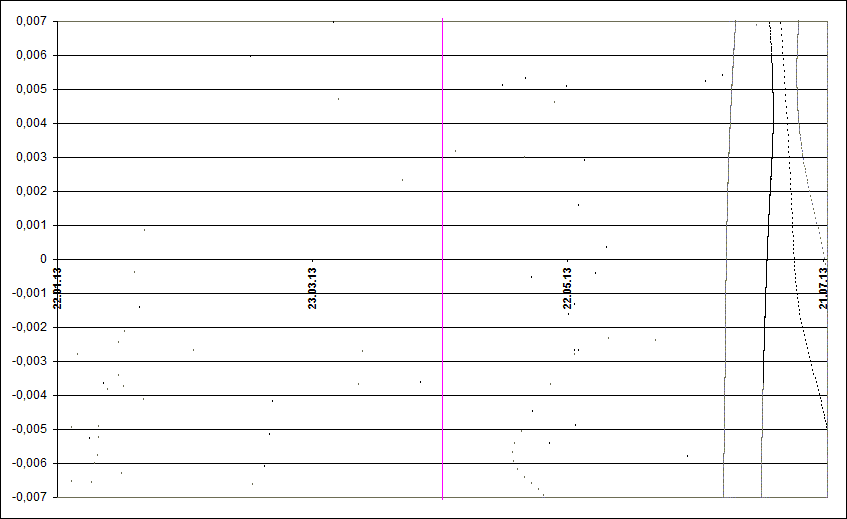
piPuppids 2013 prediction of activity
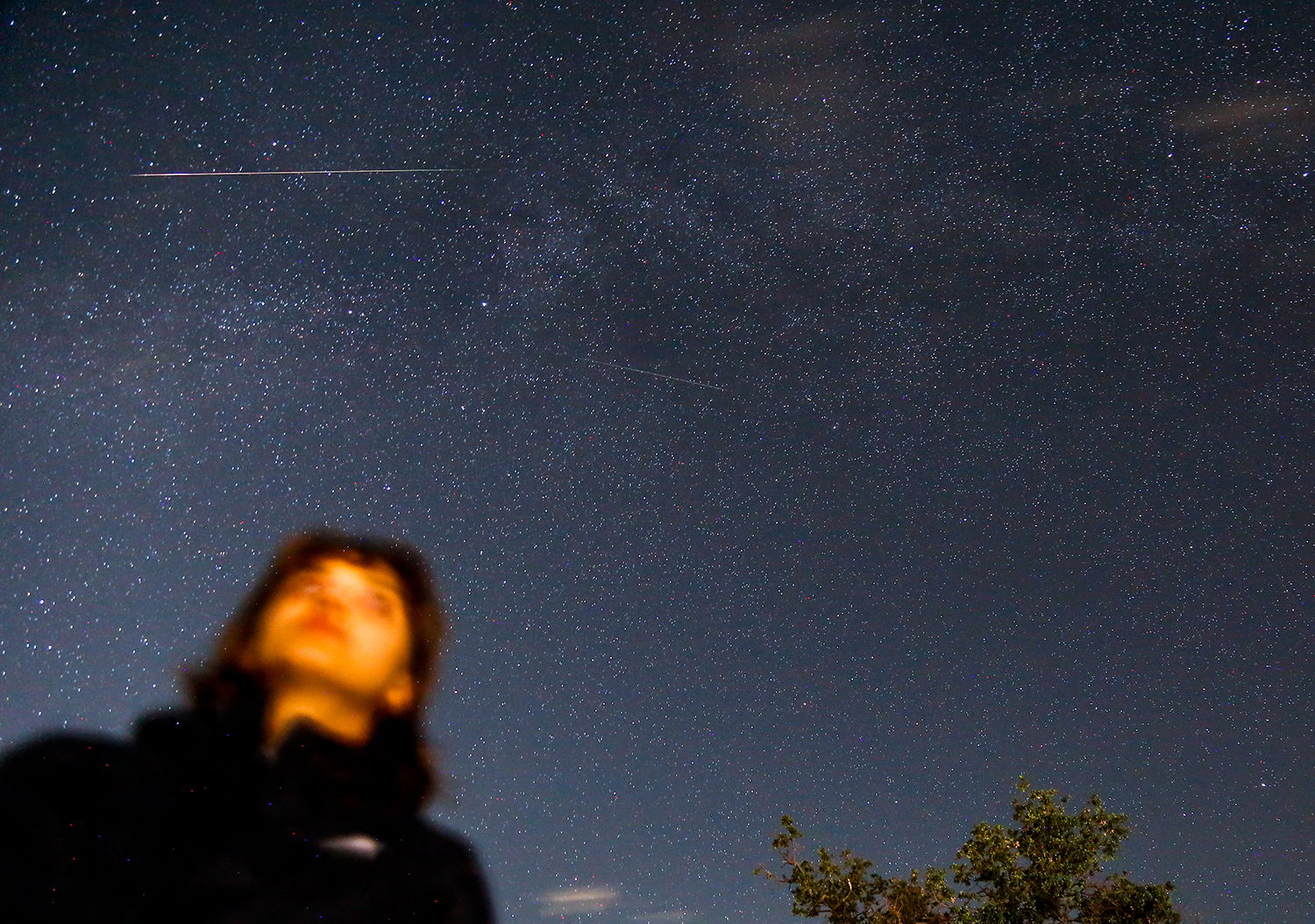
Photos of the Perseid meteor shower from around the world Popular Science
